Why Breakfast Scrambles Need Better Seasoning Than You’re Probably Using?
Most breakfast scrambles taste the way they do because someone grabbed salt and pepper from the cupboard without much thought. The eggs hit the pan, a dash of salt follows, maybe a few cracks of pepper, and by the time they hit the plate they taste functional but forgettable.
But here’s what changes everything: approaching a scramble the way you’d approach any other dish where flavor actually matters. Using a salt, pepper and garlic blend from the beginning transforms those same eggs into something you actually want to wake up for.
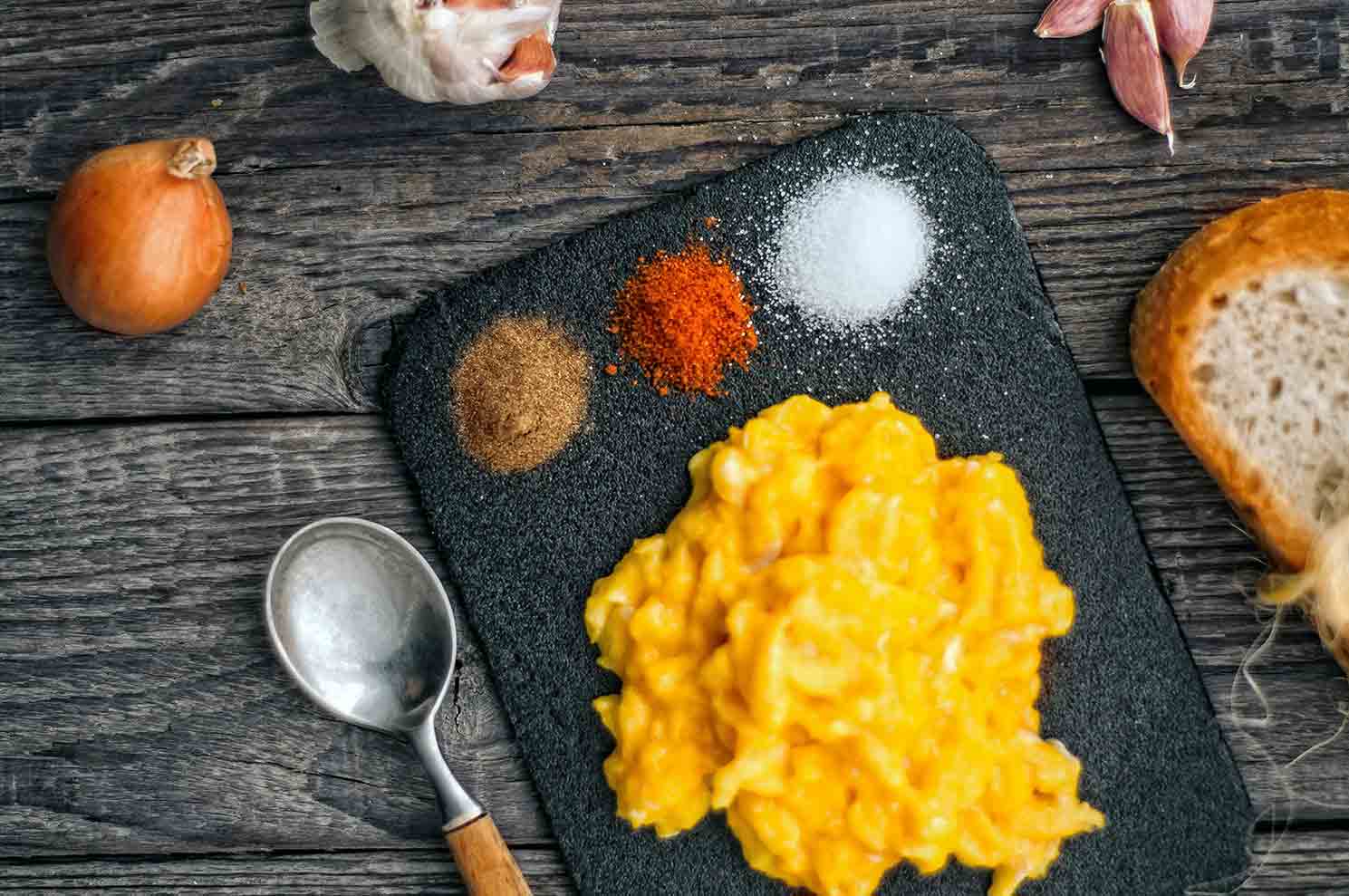
Key Takeaways
- Seasoning at multiple stages (raw eggs, mid-cook, and finish) builds layered flavor that single-stage seasoning can’t touch
- The right spice blend in your scramble base does more work than salt and pepper alone
- Texture and timing matter as much as what spices you choose
- Great breakfast scrambles follow the same flavor-building logic as any properly executed dish
Why It Matters
Breakfast gets short-changed in most home kitchens. You’ve got twenty minutes before work, you crack some eggs, you cook them on autopilot. But eggs are a blank canvas, and what you season them with determines whether they disappear into your morning or stay memorable. The difference between a scramble that tastes flat and one that tastes alive isn’t fancy equipment or obscure ingredients. It’s understanding that seasoning isn’t something you do once at the end. It’s something you build as you cook, adjusting flavor at each stage so the final dish has depth instead of just surface salt.
Proper seasoning also wakes up your palate. A well-seasoned scramble makes your coffee taste better, makes you feel more present at breakfast, and sets a different tone for the whole day. These aren’t small things if you eat breakfast five days a week.
Also Read: Full English Breakfast
The Three-Stage Seasoning Approach
Instead of thinking of a scramble as something you season once, break it into three moments where seasoning matters. This is how working cooks approach eggs, and it’s how you get results that look professional without any special skill.
Stage One: The Base
Before eggs even touch heat, season them in the bowl. This isn’t just salt; this is where you build the foundation of flavor. Whisk your eggs with a pinch of quality salt and a complementary spice blend that works across the whole dish. The salt begins breaking down the proteins immediately, helping them cook more evenly. A well-chosen blend adds aromatic depth that distributes throughout every bite instead of sitting on top.
Don’t undersalt this stage. Most home cooks are afraid of salt and under-season their eggs by half. Your seasoned raw egg mixture should taste slightly salty to your tongue, not perfectly balanced yet. When heat applies during cooking, flavors concentrate and that balance shifts.
Stage Two: Mid-Cook
About halfway through cooking, when your eggs are still wet but starting to set, is the second seasoning moment. At this point, you’re adjusting, not building fresh flavor. Add a tiny bit more of your chosen spice blend and a pinch of salt if the dish tastes flat. You can taste as you cook now, because the eggs are already heating. This is where you correct any mistakes from stage one and where you learn what you prefer.
Many cooks skip this step entirely, which is why their scrambles taste one-dimensional. The act of tasting mid-cook teaches you how flavors evolve as eggs cook. Garlic becomes mellow and sweet rather than sharp. Pepper’s heat softens. A well-chosen blend of complementary spices, when added at this stage, begins to caramelize slightly in the residual heat and pan moisture.
Stage Three: The Finish
The moment the eggs are almost done, one final small pinch of your chosen seasoning lands on top. This is textural seasoning, meant to surprise the palate with a little spark of flavor you encounter toward the end. It’s a finishing technique borrowed from proper cooking but almost never applied to breakfast.
The difference this makes is remarkable. That final layer of fresh seasoning hits your tongue after the eggs have already set, creating a contrast between creamy interior and flavorful surface.
Choosing Your Base Seasoning
Not all salt-and-pepper combinations work the same way. Some feel like an afterthought. Others have garlic, a touch of onion, or other aromatics that add dimension without overpowering eggs. The best breakfast seasonings are built to work with the natural richness of eggs, not fight against it.
When you’re selecting a blend, look for something that includes quality salt, visible pepper, and aromatics that read as savory rather than spicy. Garlic is a classic breakfast partner because it’s warm and rounds out the natural fat in eggs. Onion adds sweetness. A properly balanced blend does all this at once, so you’re not hunting for multiple jars before breakfast.
The actual ratio of salt to pepper to aromatics matters more than most cooks realize. A blend that’s 40 percent salt, 40 percent pepper, and 20 percent other spices, for example, will behave completely differently than one that’s 50-50 salt and pepper with aromatics. The first gives you a complete seasoning system. The second feels like a condiment you’re sprinkling on top.
A Practical Example: The Tuesday Morning Scramble
Let’s say you’ve got three eggs, butter, maybe some cheese, and chives from the fridge. Here’s how the three-stage approach unfolds in real time.
Crack your eggs into a bowl and whisk them. Add a quarter teaspoon of salt and a quarter teaspoon of your chosen spice blend (assuming it’s something like the ratio described above). Whisk vigorously for thirty seconds so the seasoning distributes evenly. The egg mixture should look slightly paler from the whisking and smell noticeably seasoned. If it doesn’t smell savory at this stage, you haven’t used enough spice.
Melt butter in your pan over medium heat. When it foams, add the eggs. Let them sit for about five seconds so the bottom starts to set, then push them slowly with a spatula, moving the curds from the edges to the center. When the eggs are about 60 percent cooked through (you can see some wet egg remaining, but large set curds forming), taste a small piece. Now is the moment to add that second pinch of spice. Most scrambles taste slightly underseasoned at this point, so don’t be shy. Add a tiny pinch of salt and a tiny pinch of your blend.
Continue pushing the eggs as they cook. When they’re just barely set, almost before you think they’re done, push everything to one side of the pan. Add your cheese if you’re using it, let it melt, and then add that final top layer of spice and any fresh herbs. Fold everything together once and plate immediately.
That final scramble tastes intentional instead of accidental. The seasoning isn’t one thing you did once. It’s three moments where flavor builds and adjusts, the way real cooking works.
Actionable Takeaways
- Stop reaching for that old shaker of salt and pepper. Choose a quality spice blend built for savory breakfast cooking and commit to learning it.
- Season your raw eggs in the bowl before heating. Make them taste slightly over-salted at this stage. Trust the process.
- Taste your scramble mid-cook and adjust. Add a pinch more spice if the flavor seems flat. This teaches you how seasoning evolves during cooking.
- Use a final tiny pinch of seasoning just before plating, applied to the surface so you encounter it as a bright moment rather than a distributed flavor.
- Keep your chosen spice blend near the stove, not in the back of the cupboard. If it’s easy to reach, you’ll actually use it.
Also Read: Why Fresh Farm Eggs Are Healthier Than Store-Bought Eggs?
Conclusion
Breakfast scrambles fail not because eggs are boring, but because most of us treat seasoning as an afterthought rather than a fundamental part of the cooking process. The same people who carefully season soup, grilled chicken, or roasted vegetables somehow approach eggs with resignation. That disconnect costs you every single morning. Once you apply a real seasoning strategy to scrambles, you’ll notice eggs become restaurant-quality without any additional effort. It’s just intention and timing.
FAQ
Why does seasoning scrambled eggs at multiple stages matter?
Seasoning at multiple stages allows flavor to build and distribute throughout the dish rather than sitting on top. Early seasoning flavors the eggs as they cook. Mid-stage adjustment corrects flatness and allows you to taste your work. Final seasoning provides textural contrast and a bright finish. Each stage serves a different purpose, and together they create depth.
Can I use the same spice blend at all three stages?
Yes, absolutely. Using the same blend throughout creates consistency and simplicity. The key is choosing a blend that’s well-balanced for savory cooking, with quality salt, pepper, and aromatics that complement eggs without overwhelming them. You don’t need different seasonings for different stages; you just need good seasoning applied intentionally at each moment.
What should I look for in a scramble-friendly spice blend?
Look for blends where salt and pepper are the primary components, supported by warm aromatics like garlic and onion. Avoid anything marketed as spicy or hot, unless you specifically want heat. The best blends read as savory and sophisticated rather than one-dimensional. Quality matters more than complexity; one excellent blend beats five mediocre ones.
How much seasoning should I actually use?
Start with a quarter teaspoon of blend per three eggs at stage one, a small pinch at stage two, and a smaller pinch at stage three. Adjust based on how your blend tastes and how salty you prefer your food. The key is tasting as you go rather than guessing. Once you cook a few scrambles with the same blend, you’ll develop feel for the right amounts.
Do I really need butter if I’m focusing on seasoning?
Butter matters because it carries flavor and creates the texture most people want in scrambled eggs. Oil works too, but butter adds richness that makes seasoning brighter. The combination of butter and good seasoning is what transforms a routine scramble into something memorable. Neither alone does the full job.
Can this seasoning strategy work with other breakfast eggs, like omelets or over-easy?
Absolutely. The three-stage approach works with any egg dish. Omelets benefit from seasoning in the raw mixture and a finishing pinch. Over-easy eggs can be seasoned gently as they cook. Frittatas and scrambled variations all follow the same logic. Once you understand the principle, it applies everywhere eggs are involved.